/5 min read
The Pulse of Quartz
Why absolute time is an illusion, the physical limits of silicon, and the impossibility of a perfect microsecond.
SystemsCraftPhilosophy
What we understand changes us. What we almost understand changes us more.
❁
23 pieces
Why absolute time is an illusion, the physical limits of silicon, and the impossibility of a perfect microsecond.

On Huygens' pendulums, network time protocols, and how dead matter negotiates a shared reality.

On starlings, server outages, and the quiet profundity of systems that know how to break.
On the multi-armed bandit problem, the mathematics of regret, and why we can never simply be content with what works.

Why we optimize for the measurable at the expense of the vital, and the structural tragedy of our social cache policies.
On frustum culling, the Baader-Meinhof phenomenon, and the terrifying possibility that the world is only rendered where we look.

On mycorrhizal networks, the myth of the daily standup, and how nature manages a million-year backlog without a single project manager.
On lion prides, graph theory, and the persistent myth that connection requires proximity — what animal herds and social networks know about the structure of not being alone.

On spelling, self-correction, and the quiet cognitive bargain we are making every time we let the machine understand us without effort.
We instrument our servers with more care than we instrument ourselves. On observability, introspection, and the dashboard we are afraid to build.

On cache invalidation, the glymphatic system, and the unbearable question of what we would become if we could flush everything we think we know.

On API gateways, cell membranes, and the beautiful lie at every boundary — how meaning is made not inside us or outside us, but at the surface where two worlds meet.

On transistors, Landauer's principle, and the strange fact that every thought you have makes the universe slightly warmer — and why that might be the point.

On Ma, negative space, and the profound architecture of what we choose to leave out — in music, code, buildings, and the spaces between our thoughts.
Every act of understanding is also an act of forgetting. The child who learns to read can never see letters as pure shapes again. What do we lose each time we learn to see?
There is a kind of knowledge that lives in the hands and refuses to be spoken. On tacit knowledge, Wittgenstein's ladder, and why the most important things we know are the things we cannot say.
On observation, the double-slit experiment, and why paying attention to something always changes it — in physics, in code reviews, and in love.

The micro-decisions that define craft — a pianist's rubato, a surgeon's cut, a programmer's choice of variable name. On the invisible decisions that separate competence from mastery.

On flow states, the Tao, and the intelligence of systems that don't think. Why the best work happens when you stop trying.

On debugging, insomnia, and the strange intimacy of understanding a system that no one else can see. A love letter to the lonely hours where real understanding happens.

Why the relentless pursuit of efficiency destroys the conditions for excellence. On Goodhart's law, teaching to the test, and what we lose when we optimize everything.
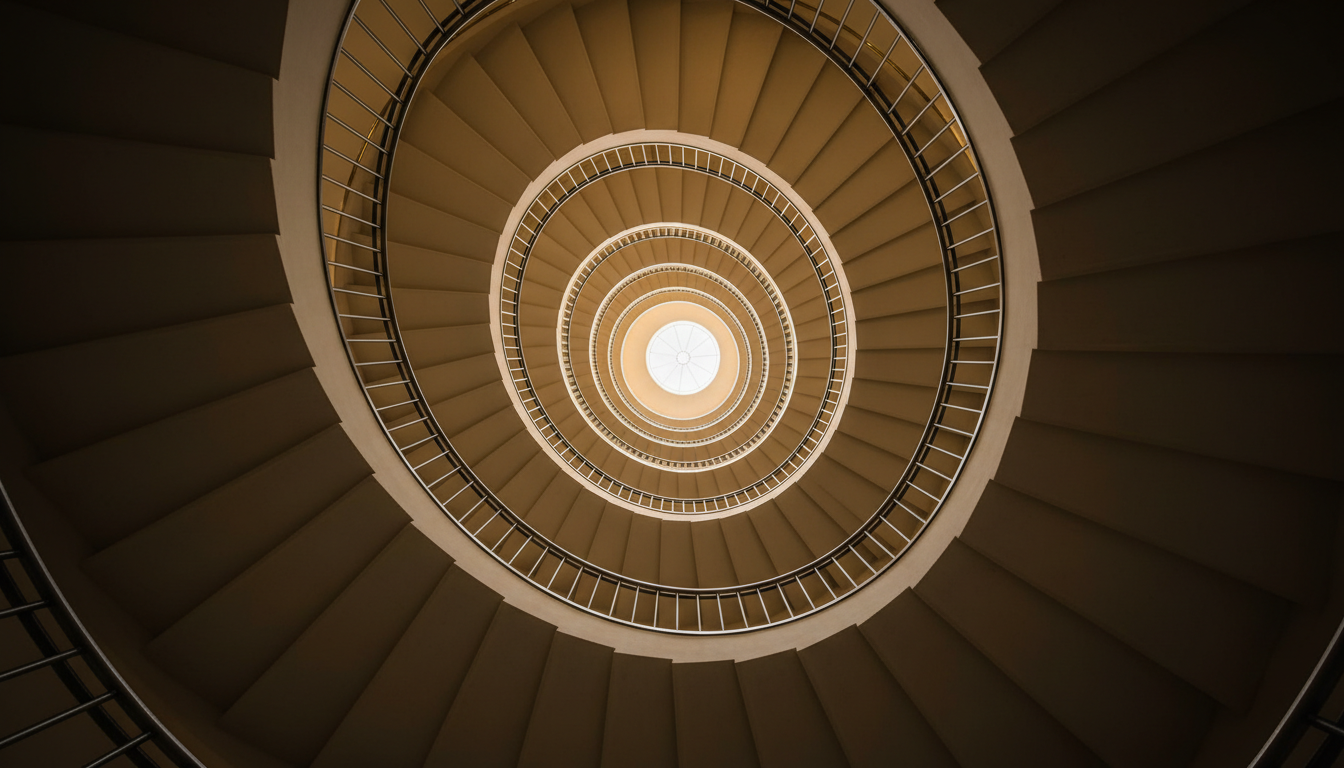
On mathematical beauty, Euler's identity, Ramanujan's dreams, and the strange fact that elegance and truth seem to be the same thing.
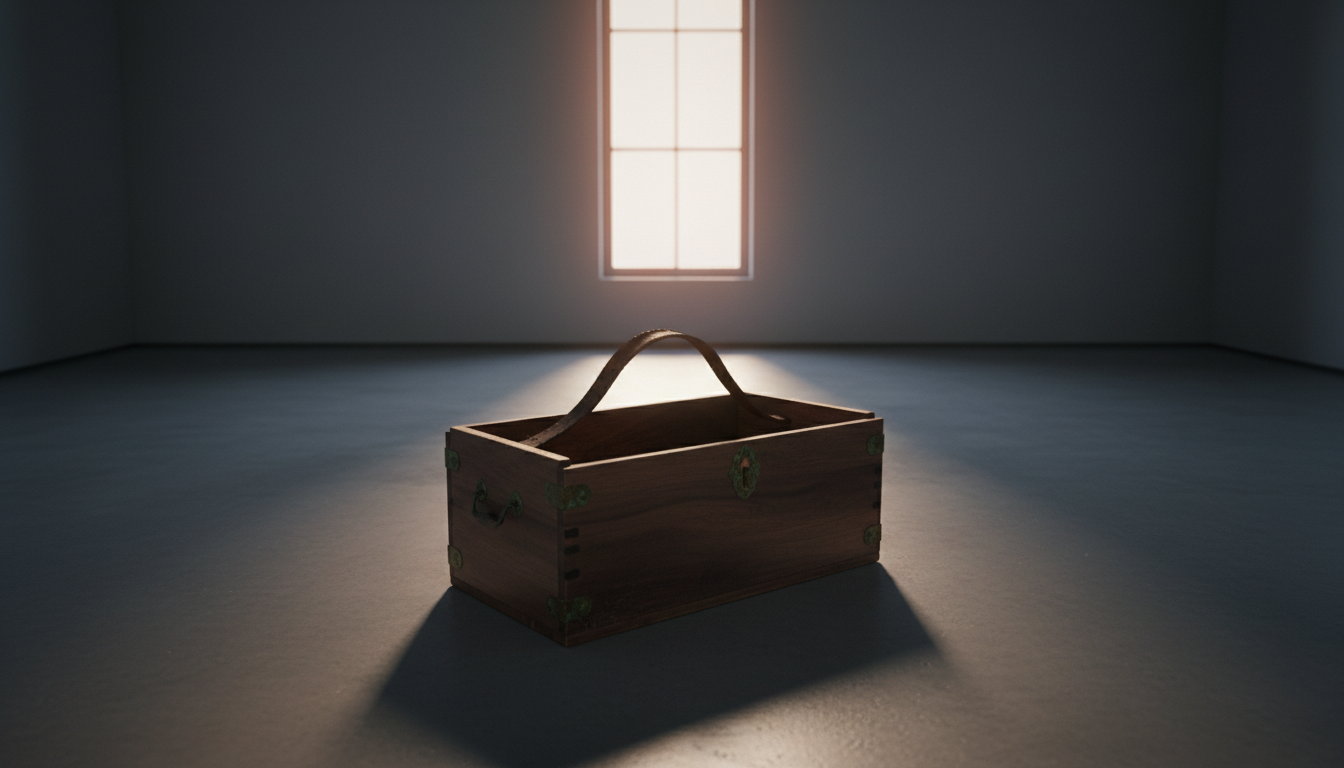
On what we receive from the people who came before us — tools, techniques, ways of seeing — and the quiet grief of watching that chain break.